How I Cracked the Code on Smart Luxury Spending—And Kept My Wallet Happy
So you love luxury brands, but your bank account doesn’t? I’ve been there—splurging on designer pieces only to feel guilty days later. But what if you could enjoy high-end fashion without derailing your finances? This is the real story of how I built a smarter system for luxury purchases, balancing desire with discipline. It’s not about cutting back—it’s about upgrading your approach. What started as a personal experiment turned into a sustainable financial practice that preserved both my joy and my savings. This isn’t a story of deprivation. It’s about making luxury work *for* you, not against you. By combining emotional awareness, strategic timing, and disciplined budgeting, I transformed impulsive spending into intentional reward. The result? A wardrobe I love, a bank account I trust, and a mindset that values long-term peace over short-term thrills.
The Wake-Up Moment: When Luxury Became a Liability
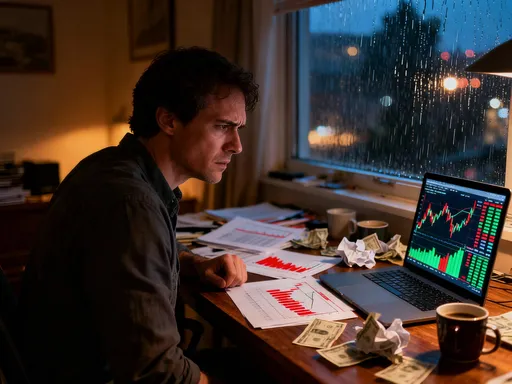
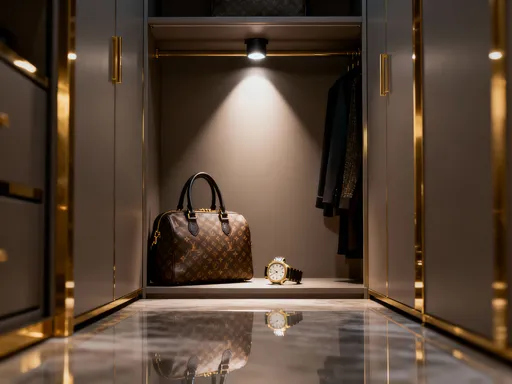
There was a time when luxury shopping felt like self-care. A stressful week at work? A new handbag would fix it. A personal milestone? Time to celebrate with designer shoes. Each purchase came with a rush of excitement, a fleeting sense of accomplishment. But over time, the emotional highs began to clash with financial reality. I noticed my savings account wasn’t growing the way it should. My credit card statements told a story I hadn’t fully acknowledged—recurring charges from high-end boutiques, limited-edition drops, and express shipping fees for items I hadn’t even planned to buy. The tipping point came after I used my entire tax refund to cover a watch I bought on impulse. That watch sat in its box for months, untouched. The guilt lingered much longer.
It wasn’t the price of the watch that troubled me most—it was what that money could have done elsewhere. I began to ask myself hard questions: Was I buying things because I truly valued them, or because I wanted to feel a certain way? Did owning this item improve my life, or just my social media feed? These reflections led me to track every luxury-related expense for three months. I categorized purchases by emotional trigger, frequency of use, and long-term satisfaction. The data revealed a pattern: nearly 70% of my luxury spending was driven by mood, not meaning. These weren’t investments in joy—they were temporary escapes from stress or self-doubt.
Recognizing this didn’t make me resent luxury. Instead, it made me want to reclaim it. I realized I didn’t need to stop buying beautiful things—I needed to stop using them as emotional Band-Aids. The goal shifted from restriction to redefinition. I wanted to enjoy high-end goods with clarity, not guilt. This was the foundation of my financial reset: not denial, but discipline. I began to see luxury not as a reward for surviving hard days, but as a celebration of real progress. That mindset shift changed everything.
Building the System: Designing a Sustainable Luxury Framework
Instead of banning luxury altogether, I designed a system that made it sustainable. The first principle was intentionality. Every purchase would need a purpose beyond impulse. I established clear rules: no instant buys, a mandatory 30-day waiting period, and a monthly luxury budget based on discretionary income. This budget wasn’t arbitrary—it was calculated as 5% of my after-tax income, a figure grounded in personal finance best practices. If I stayed under budget one month, the surplus could roll over, creating a reward pool for bigger items later.
The waiting period became one of the most powerful tools. I implemented a simple rule: if I still wanted an item after 30 days, it was eligible for purchase. During that time, I researched the product, compared prices, and reflected on how often I’d realistically use it. This pause disrupted the cycle of emotional decision-making. Many items I once thought I couldn’t live without lost their appeal after a few weeks. Others grew in significance, proving they were worth the investment. The waiting period didn’t eliminate desire—it refined it.
I also introduced a value filter to evaluate each potential purchase. An item had to pass three criteria: frequency of use, emotional significance, and resale potential. Frequency of use ensured I wouldn’t buy something just for a special occasion. Emotional significance helped distinguish between items that genuinely reflected my taste versus those influenced by trends or social pressure. Resale potential encouraged me to consider long-term value—would this hold its worth? Could it be sold later if my style changed? This framework transformed my closet into a curated collection, not a cluttered storage unit.
Over time, this system didn’t feel restrictive—it felt liberating. Because every purchase was planned and justified, the joy of ownership deepened. I wasn’t just buying things; I was making choices aligned with my values. The act of buying became less about instant gratification and more about long-term satisfaction. And because I stayed within my budget, my savings continued to grow. The system proved that luxury and financial health aren’t opposites—they can coexist, as long as there’s structure behind the splurge.
The Psychology of Want: Why We Chase Luxury (And How to Tame It)
Luxury spending isn’t just about material goods—it’s deeply tied to identity and emotion. We don’t just buy a handbag; we buy the feeling it represents: success, elegance, belonging. For years, I mistook that feeling for fulfillment. I believed that acquiring certain items would make me feel more confident, more accomplished, more *seen*. But the confidence boost was temporary. The real issue wasn’t my wardrobe—it was my relationship with self-worth. I was outsourcing validation to logos and price tags, and that’s a costly habit, both emotionally and financially.
Understanding the psychology behind my spending was the key to change. I began journaling before and after purchases, asking myself: Why do I want this? How will I feel in a week? What need am I trying to meet? This practice revealed patterns. I tended to shop when I felt overwhelmed, undervalued, or uncertain. Retail therapy wasn’t healing—it was numbing. The purchases didn’t solve the underlying issue; they just delayed it. Once I recognized this, I could start addressing the root causes with healthier strategies: talking to a friend, taking a walk, or simply allowing myself to feel without fixing it immediately.
I also started comparing the short-term thrill of unboxing a new item with the long-term peace of financial stability. Which feeling lasted longer? Which contributed more to my overall well-being? The answer was clear. The excitement of a new bag faded in days. The comfort of knowing I had an emergency fund, that I was on track with retirement savings—that brought daily reassurance. I began to reframe luxury as a privilege, not a necessity. It wasn’t something I needed to feel whole; it was something I could enjoy once my financial foundation was secure.
This shift didn’t happen overnight. It required patience and self-compassion. I didn’t beat myself up for past mistakes. Instead, I treated each insight as progress. Over time, my emotional triggers lost their power. I no longer reached for my credit card when stressed. I reached for clarity. And when I did make a luxury purchase, it was because I wanted to, not because I needed to escape. That distinction made all the difference.
Smart Acquisition: Timing, Channels, and Hidden Opportunities
One of the most effective ways I reduced luxury spending without sacrificing enjoyment was optimizing *how* and *when* I bought. I discovered that timing and sourcing can drastically affect value. Full-price retail isn’t the only way—and often, it’s not the smartest. I began researching release cycles, seasonal sales, and brand-specific discount events. Many luxury brands offer private sales, end-of-season reductions, or member-only promotions. Signing up for newsletters and loyalty programs gave me early access to these deals, sometimes saving 20–30% on items I already planned to buy.
I also explored pre-owned markets, which opened up a world of high-quality luxury at a fraction of the cost. Reputable resale platforms offer authenticated items in like-new condition, often with original packaging and documentation. A coat that retailed for $2,000 was available pre-loved for $900—same craftsmanship, same brand, significantly lower price. I learned to inspect product photos carefully, read seller reviews, and understand return policies. This due diligence ensured I wasn’t trading quality for savings.
Another strategy was brand trade-in programs. Some designers allow customers to exchange gently used items for store credit. I used this to rotate pieces in my wardrobe—trading in a pair of boots I no longer wore for credit toward a new bag. This created a closed-loop system that kept my style fresh without increasing spending. I also monitored resale value trends. Certain brands and models hold their value better than others. By prioritizing timeless designs over fleeting trends, I increased the likelihood of recouping a significant portion of my investment later.
These strategies transformed the way I viewed luxury shopping. It became less about immediate ownership and more about strategic acquisition. I wasn’t chasing scarcity or FOMO—I was building a collection with care. The thrill shifted from the act of buying to the satisfaction of getting exceptional value. And because I was spending less on each item, I could afford to buy fewer, better things—aligning with both my financial goals and my personal taste.
Risk Control: Protecting Your Portfolio from Lifestyle Inflation
One of the quietest dangers of luxury spending is lifestyle inflation—the gradual increase in spending as income rises. A raise at work? Time to upgrade the handbag. A bonus? Let’s treat ourselves to a designer watch. While occasional rewards are healthy, unchecked upgrades can erode financial progress. I noticed this happening in my own life: as my income grew, so did my spending, often on things I didn’t truly need. The danger wasn’t overspending in a single month—it was the slow creep of higher expectations that made it harder to save.
To protect against this, I implemented a financial buffer check. Before any luxury purchase over a certain threshold, I verified that my core financial goals were on track. This included maintaining a fully funded emergency reserve, contributing consistently to retirement accounts, and staying current on all debt payments. If any of these areas were lagging, the purchase was postponed. This wasn’t about punishment—it was about prioritization. I reminded myself that true financial security comes from what I keep, not what I spend.
I also began tracking my net worth monthly. This simple practice provided a reality check. Seeing my assets grow over time reinforced the value of disciplined spending. It reminded me that a $1,500 handbag might look impressive in a photo, but a $5,000 increase in net worth provided real, lasting security. This metric helped me stay focused on long-term wealth, not short-term appearances.
Another safeguard was setting a hard cap on luxury spending as a percentage of income. I stuck to 5%, adjusting only if my financial situation improved significantly. This cap created a natural limit, preventing lifestyle creep. It also encouraged smarter choices—when your budget is finite, you’re more likely to pick items you’ll truly love and use. Over time, this approach helped me build a balanced financial life where luxury existed in harmony with responsibility, not in conflict with it.
The Value Multiplier: How Resale and Rotation Boost Financial Flexibility
One of the most transformative shifts in my approach was treating luxury items as rotatable assets rather than one-time expenses. I began reselling pieces I no longer used, often recouping 60–80% of the original cost. This wasn’t about decluttering—it was about creating a financial feedback loop. The money from a sold jacket could fund a new pair of shoes. The proceeds from a pre-loved bag helped cover part of a vacation. This circular model turned emotional spending into a strategic flow.
I focused on brands and styles with strong resale value. Classic designs, neutral colors, and high craftsmanship tended to hold their worth better than trendy, logo-heavy pieces. I researched depreciation curves, not just brand prestige. For example, a minimalist leather tote from a heritage brand might lose only 30% of its value in two years, while a flashy limited-edition clutch could drop 60% in months. This knowledge guided my purchasing decisions. I wasn’t just buying what I liked—I was buying what would last, both in use and in value.
Resale also changed my relationship with ownership. Knowing I could sell an item later made me more thoughtful about buying it in the first place. I asked: Will I wear this at least 30 times? Does it fit my long-term style? Is it in good condition? These questions reduced impulse buys and increased satisfaction. Even better, the resale process became empowering. Listing an item, receiving offers, and completing a sale gave me a sense of control over my finances that shopping never did.
Over time, this strategy created a self-sustaining cycle. I bought fewer items, but each one had higher utility and value. I sold what I no longer needed, recycling funds back into my budget. My wardrobe stayed fresh without growing cluttered. My bank account stayed stable without feeling deprived. This wasn’t frugality—it was financial intelligence in action. By treating luxury as a dynamic part of my budget, I turned what was once a drain into a tool for flexibility and freedom.
The Bigger Picture: Luxury as a Reward, Not a Crutch
Today, my relationship with luxury is fundamentally different. I still buy high-end items, but the context has changed. Each purchase is aligned with goals, not gaps. I celebrate promotions, pay off debt milestones, or mark personal achievements with meaningful items—not as a fix for emotional voids, but as recognition of real progress. The joy hasn’t disappeared; it’s deepened. Because I plan for these purchases, save for them, and earn them in a sense, the satisfaction lasts far longer than the initial thrill.
More importantly, my financial health has improved. My emergency fund is fully stocked. My retirement contributions are on track. My credit card balance is consistently zero. The stress that once accompanied shopping—the guilt, the anxiety, the second-guessing—has faded. I no longer lie awake wondering how I’ll cover next month’s bills. Instead, I feel confident in my choices. That peace of mind is worth more than any designer label.
The real win wasn’t the watch I bought or the bag I carried. It was the confidence that I could enjoy life *and* stay on track. I learned that luxury, done right, isn’t reckless. It’s a reward system you design for yourself—one rooted in discipline, clarity, and long-term thinking. It’s not about denying pleasure, but about aligning it with purpose. When you stop using spending to fill emotional holes, you free up space—for savings, for security, for genuine joy. And that, more than any item, is the ultimate luxury.