Dance Like Nobody’s Watching: How I Beat Stress Without the Gym Drama
Ever felt too tense to even think straight? I’ve been there—overworked, overwhelmed, and stuck in a cycle of stress that just wouldn’t quit. I tried everything: meditation, long walks, even cutting back on coffee. But what actually worked wasn’t another wellness trend—it was dancing. Not choreographed, not performative, just moving freely. It sounds simple, maybe even silly, but this messy, joyful motion became my real stress reset. Here’s how I found relief—without the pitfalls most people never see coming.
The Hidden Stress Trap in Modern Workouts
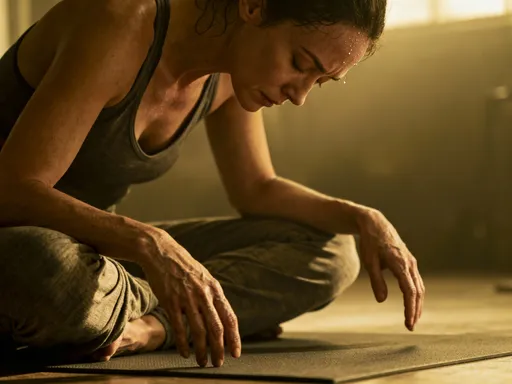
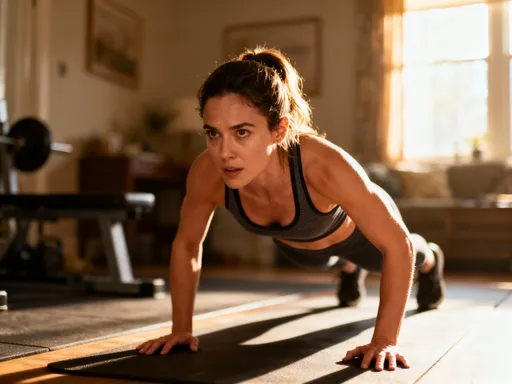
For many women juggling family, work, and personal expectations, exercise is often marketed as the ultimate solution to stress. Gyms promise transformation, apps track every heartbeat, and social media floods with images of flawless routines and sculpted bodies. Yet, for all its benefits, traditional fitness culture can unintentionally deepen the very anxiety it claims to relieve. What starts as a desire to feel better can quickly spiral into another checklist item, another source of guilt when missed, and another performance to perfect.
High-intensity interval training, competitive spin classes, or even the pressure to log 10,000 steps a day can feel less like self-care and more like another obligation. For a 30- to 55-year-old woman already managing household logistics, school schedules, and career demands, adding a rigid workout schedule may not bring peace—it can add pressure. The irony is that these structured forms of exercise, while excellent for physical health, often fail to deliver emotional release. Instead of unwinding, participants may leave class feeling more tense, comparing themselves to others or frustrated by what they perceive as lack of progress.
The root of this mismatch lies in the difference between physical exertion and emotional regulation. Many workouts focus on output—calories burned, reps completed, speed achieved—while ignoring the internal state. But stress isn’t just stored in the muscles; it lives in the nervous system, in the breath, in the quiet moments of self-doubt. When exercise becomes another arena for self-criticism, it stops being healing. In fact, research suggests that when physical activity feels compulsory or judgment-laden, cortisol levels—the body’s primary stress hormone—can actually increase, counteracting any potential benefit.
This doesn’t mean gyms or fitness routines are inherently harmful. For some, they provide structure, community, and motivation. But for those whose stress is rooted in perfectionism, overachievement, or emotional exhaustion, the gym can become a mirror of daily pressures rather than an escape from them. The solution isn’t to abandon movement altogether, but to reconsider what kind of movement truly serves emotional well-being. Sometimes, the most effective release isn’t found in discipline—but in freedom.
Why Dance Works When Other Workouts Fail
Dance stands apart from conventional exercise because it bypasses the need for performance and taps directly into emotional expression. Unlike a treadmill run or a set of bicep curls, dance doesn’t demand precision or measurable outcomes. It invites improvisation, personal rhythm, and emotional honesty. When movement is guided not by a timer or a trainer, but by a favorite song or a surge of feeling, the body begins to respond in a fundamentally different way.
Scientifically, rhythmic movement synchronized with music activates the parasympathetic nervous system—the part of the autonomic nervous system responsible for calming the body after stress. This is the same system that helps you relax after a long day, slow your breathing, and lower your heart rate. Studies have shown that when people engage in expressive movement, especially to music they emotionally connect with, their cortisol levels decrease significantly. One 2019 study published in the Journal of Applied Gerontology found that older women who participated in freeform dance sessions reported not only lower stress but also improved mood and greater sense of control over their lives.
What makes dance uniquely effective is its dual engagement of body and emotion. While running may clear the mind through repetition, and yoga may promote stillness through breath, dance allows for release through expression. It gives form to feelings that are hard to name—frustration, sadness, joy, restlessness—without requiring words. A stomp might carry anger, a spin might express freedom, a slow sway might honor fatigue. This physical translation of emotion helps prevent feelings from becoming internalized, where they can contribute to chronic tension and anxiety.
Moreover, dance does not rely on fitness level or experience. You don’t need to be flexible, strong, or coordinated. The only requirement is willingness to move. This inclusivity makes it especially powerful for women who may feel alienated by fitness culture’s emphasis on appearance or achievement. In dance, there is no “right” way—only your way. And in that permission to be imperfect, many find a rare kind of liberation.
The Top 3 Dance-Related Mistakes That Increase Stress
Despite its potential for healing, dance can backfire if approached with the same mindset as traditional fitness. Many women, eager to find relief, jump into dance with high expectations—only to end up more frustrated than before. The problem isn’t dance itself, but the assumptions and pressures that get layered onto it. Understanding these common pitfalls can help ensure that movement remains a source of release, not another burden.
The first mistake is chasing perfection. With the rise of social media, it’s easy to equate dance with polished routines seen on platforms like TikTok or Instagram. Women may feel compelled to learn complex choreography, match the energy of influencers, or record themselves to “get it right.” But when dance becomes about mastering steps or looking a certain way, it loses its therapeutic power. The focus shifts from feeling to performing, and stress returns. The body tenses, the mind criticizes, and the original intent—to let go—is forgotten.
The second mistake is comparison. Even in private, it’s common to measure oneself against others: “I’m not as graceful,” “I don’t have the energy,” or “I look silly.” These thoughts stem from years of internalized messages about how women should move, look, and behave. But dance, in its truest form, is not a competition. It’s a personal conversation between body and emotion. When comparison enters, that dialogue is disrupted. The moment you start thinking about how you appear to others—even imaginary ones—you’re no longer dancing for yourself.
The third mistake is treating dance like a productivity task. Some women approach it with the same rigor as a workout: “I must dance for 20 minutes,” “I need to do this every day,” or “If I skip it, I’ve failed.” While consistency is valuable, rigidity undermines the spontaneity that makes dance healing. When movement becomes another item on the to-do list, it can trigger the same stress it’s meant to relieve. The key is not duration or frequency, but authenticity. Two minutes of genuine, unselfconscious shaking can do more for stress than an hour of forced routine.
Finding Your Natural Rhythm: A No-Rules Approach
The heart of therapeutic dance lies in letting go of rules. This doesn’t mean rejecting structure entirely, but choosing to prioritize feeling over form. The goal isn’t to become a better dancer—it’s to become more present in your body. For women accustomed to managing everyone else’s needs, this kind of self-directed movement can feel radical, even uncomfortable at first. But with practice, it becomes a sanctuary.
A no-rules approach starts with privacy. Dancing alone, away from mirrors, cameras, or judgment, allows for true freedom. It creates space to move without editing, to let arms flail, feet stomp, or shoulders slump—whatever the body asks for. This isn’t about aesthetics; it’s about listening. Many women report that their first few attempts feel awkward or self-conscious. That’s normal. The body has likely spent years suppressing natural impulses in favor of composure and control. Relearning how to move instinctively takes time.
Music plays a crucial role in this process. The right song can act as an emotional catalyst, helping unlock feelings that words cannot reach. Instead of choosing music based on tempo or popularity, select tracks that resonate personally—songs that evoke memory, comfort, or energy. A childhood lullaby, a wedding favorite, or a nostalgic pop hit can all serve as gateways to deeper release. The key is emotional connection, not beat count.
Begin with short sessions—just two to five minutes. Stand in the kitchen, the living room, or even the bathroom if that’s the only private space available. Press play and allow the body to respond however it wishes. No steps to learn, no sequence to follow. If standing still feels right, do that. If swaying, jumping, or circling feels natural, follow it. The only rule is to stay curious, not critical. Over time, the body will begin to trust this space, and movement will flow more freely. Awkwardness fades, replaced by a sense of alignment and release.
Building a Sustainable Dance Practice for Daily Relief
For lasting impact, dance must become a sustainable habit—not a sporadic event. The good news is that it doesn’t require hours or special equipment. Integration into daily life is what makes it powerful. The focus should be on consistency, not intensity. Even brief moments of movement, repeated regularly, can recalibrate the nervous system and reduce cumulative stress.
One effective strategy is habit stacking—linking dance to existing routines. For example, after turning off the morning alarm, instead of reaching for the phone, stand up and move for two minutes. While waiting for the coffee to brew, sway to a favorite song. After the kids are in bed, play one track and let the body unwind. These micro-sessions add up, creating pockets of emotional release throughout the day. They also reinforce the idea that self-care doesn’t have to be time-consuming to be meaningful.
Environmental cues can strengthen this practice. Create a playlist labeled “Just Move” and set it as the default on your device. Place a pair of comfortable shoes in a visible spot as a reminder. Use a smart speaker to play a daily dance prompt at a set time. These small nudges reduce the mental effort required to begin, making it easier to follow through on busy or low-energy days.
Flexibility is essential. Some days, energy will be high, and movement will feel expansive. Other days, the body may only want to rock gently in a chair. Both are valid. The practice isn’t about pushing through fatigue, but honoring what’s present. Over time, women often find that these small acts of embodiment build resilience. They begin to notice tension earlier, release it faster, and carry themselves with greater ease. Dance becomes less of an activity and more of a way of being.
When to Seek Support Beyond Movement
While dance can be a powerful tool for managing everyday stress, it is not a substitute for professional care when dealing with chronic anxiety, depression, or trauma. For some women, stress is not just a response to a busy schedule, but rooted in deeper emotional patterns or past experiences. In these cases, movement alone may provide temporary relief but not lasting healing.
Signs that additional support may be needed include persistent feelings of hopelessness, difficulty functioning in daily life, or recurring physical symptoms like insomnia or digestive issues without a clear medical cause. If dance brings momentary joy but doesn’t shift the underlying emotional weight, it may be time to consider counseling or therapy. There is no weakness in seeking help—only strength in recognizing when you need it.
Therapy and movement can work beautifully together. Some mental health professionals incorporate somatic practices, including dance or mindful movement, into treatment. Others may encourage physical activity as a complement to talk therapy. The combination allows for both cognitive processing and bodily release, addressing stress on multiple levels. The key is to view dance not as a cure-all, but as one part of a broader self-care ecosystem.
It’s also important to consult a healthcare provider if stress is affecting physical health. Chronic stress has been linked to a range of conditions, including high blood pressure, weakened immunity, and hormonal imbalances. A doctor can help assess overall health and recommend appropriate interventions. Movement, including dance, can be a valuable component of a holistic plan—but it should be part of a team approach, not the only player.
Transforming Stress into Sustainable Energy
Over time, regular freeform dance can shift not just how you manage stress, but how you relate to it. Instead of seeing tension as an enemy to eliminate, many women begin to view it as a signal—a cue from the body that something needs attention. Dance becomes a way to respond with kindness rather than resistance. This shift in perspective fosters greater emotional awareness and resilience.
One of the most profound long-term benefits is the return of play. For women who have spent years in caretaking roles, play can feel like a luxury they don’t deserve. But play is not frivolous—it’s essential. It restores creativity, lightens the spirit, and reminds us of our capacity for joy. Dancing alone in the kitchen may seem small, but it’s an act of reclaiming space, time, and self-expression. It says, “I matter enough to move, even if no one is watching.”
Many women report that after months of dancing freely, they carry themselves differently. They speak with more confidence, set boundaries more easily, and respond to challenges with greater calm. The body, once a source of tension, becomes a source of wisdom. The practice becomes less about stress relief and more about emotional hygiene—a daily check-in, a moment of truth, a celebration of being alive.
In a world that often asks women to be everything to everyone, dance offers a quiet rebellion. It requires nothing but a few minutes, a song, and the courage to move as you are. It doesn’t promise perfection, transformation, or viral fame. It promises only this: a chance to feel, to release, to be. And sometimes, that’s exactly what we need. So press play. Let your shoulders roll. Let your feet shuffle. Let yourself be messy, imperfect, and free. Because the best way to stop carrying the weight of the world might just be to dance it off—one unwatched moment at a time.