What I Learned About Minerals from Real Food—No Supplements Needed
You’ve probably heard how important minerals are—think energy, strong bones, and balanced moods. But here’s the thing: most of us don’t get enough from our diets. I used to feel tired and foggy until I shifted how I ate. Turns out, real food can cover your mineral needs without pills. This isn’t about quick fixes, but sustainable eating habits. Let’s break down the simple, science-backed way to fuel your body right.
The Hidden Energy Crisis: Why Mineral Gaps Matter
Many women in their 30s, 40s, and 50s report feeling constantly drained, even after a full night’s sleep. They juggle family, work, and personal responsibilities, yet find themselves reaching for coffee by mid-morning or collapsing on the couch by 7 p.m. While stress and lack of sleep are common culprits, an often-overlooked factor is mineral imbalance. Minerals are essential micronutrients that support hundreds of bodily functions—from nerve signaling and muscle contraction to hormone regulation and immune defense. When levels dip below optimal, even slightly, the effects can be subtle but persistent: irritability, brain fog, restless legs, or frequent muscle cramps.
The modern diet, despite being calorie-rich, is frequently mineral-poor. Overprocessed foods dominate supermarket shelves, stripped of their natural nutrients during refining. White flour, sugary snacks, and ready-made meals may satisfy hunger but fail to nourish. Meanwhile, soil depletion from intensive farming has reduced the mineral content of many crops over the past several decades. Studies suggest that some vegetables contain significantly lower levels of key minerals like magnesium and calcium than they did 50 years ago. This means even those who eat what seems like a balanced diet might still fall short.
Recognizing this gap is the first step toward change. Rather than viewing food merely as fuel to get through the day, shifting to a mindset of nourishment transforms eating into an act of self-care. It’s not about perfection or rigid rules—it’s about making choices that support long-term vitality. When you begin to see meals as opportunities to replenish essential minerals, your relationship with food deepens. You start asking not just “Am I full?” but “What is this giving my body?” This subtle shift in perspective can lead to profound improvements in energy, mood, and overall well-being.
Minerals 101: The Basics Without the Jargon
Understanding minerals doesn’t require a science degree. Think of them as quiet helpers working behind the scenes to keep your body running smoothly. Unlike macronutrients like carbohydrates and proteins, which provide energy and build tissue, minerals play regulatory roles. They’re involved in everything from building strong teeth to helping your heart beat steadily. Among the most important for everyday health are iron, magnesium, zinc, calcium, and potassium—each with distinct yet interconnected jobs.
Iron is best known for preventing anemia, but its role goes beyond that. It helps transport oxygen in the blood, which directly affects energy levels and mental clarity. Women of childbearing age, especially those with heavy menstrual cycles, are at higher risk of low iron, but even postmenopausal women need consistent intake to maintain stamina. Good food sources include lentils, spinach, pumpkin seeds, and lean meats.
Magnesium is often called the “relaxation mineral.” It supports muscle relaxation, healthy sleep patterns, and nervous system balance. Many people unknowingly lack sufficient magnesium, which can contribute to nighttime leg cramps, tension, and difficulty unwinding after a long day. Foods rich in magnesium include almonds, black beans, avocado, and dark leafy greens like Swiss chard.
Zinc plays a crucial role in immune function and wound healing. It’s also involved in taste and smell, which is why some people notice changes in appetite when zinc levels are low. Oysters are famously high in zinc, but more accessible sources include chickpeas, cashews, and eggs. Because the body doesn’t store zinc in large amounts, regular dietary intake is important.
Calcium is widely recognized for supporting bone health, especially as women age and face increased risk of osteoporosis. But calcium isn’t just about bones—it also aids in blood clotting and muscle function. While dairy is a common source, fortified plant milks, tofu made with calcium sulfate, and leafy greens like bok choy also contribute meaningfully.
Potassium helps regulate fluid balance and blood pressure. It works in tandem with sodium—when potassium intake is high, the body is better able to excrete excess sodium, supporting cardiovascular health. Bananas are well-known, but white beans, sweet potatoes, and tomatoes actually contain more potassium per serving. By focusing on whole foods, you naturally increase potassium while reducing processed, high-sodium foods.
From Soil to Plate: Why Food Quality Shapes Mineral Intake
Not all carrots are created equal. The mineral content of food depends heavily on where and how it was grown. Healthy soil is alive with microorganisms that help plants absorb nutrients, including essential minerals. However, modern agricultural practices—such as monocropping, heavy tilling, and synthetic fertilizer use—can degrade soil quality over time. As a result, crops may grow large and look appealing but contain fewer nutrients than their predecessors.
Research has documented declining mineral levels in various fruits and vegetables over recent decades. For example, a study analyzing nutrient data from 1950 to 1999 found measurable decreases in calcium, iron, and vitamin C in several common produce items. While the exact causes are complex—soil depletion, crop breeding for yield over nutrition, and harvesting before peak ripeness—the takeaway is clear: food quality matters. A tomato grown in nutrient-rich soil and allowed to ripen fully will deliver more minerals than one picked green and shipped across continents.
Food processing further diminishes mineral content. Take whole grains: when milled into white flour, they lose up to 80% of their magnesium, along with zinc and iron. Enrichment adds back some of these nutrients, but not in the same balance or bioavailability as the original whole grain. Similarly, peeling fruits and vegetables removes fiber and many surface-level nutrients. Choosing whole, unprocessed versions—brown rice instead of white, apples with skin, whole wheat pasta—ensures you retain more of the natural mineral package.
Sourcing also plays a role. Locally grown, seasonal produce often spends less time in transit and storage, preserving nutrient integrity. Farmers' markets and community-supported agriculture (CSA) programs can offer access to food grown with care for soil health. While imported or off-season produce still provides valuable nutrition, prioritizing fresh, local options when possible enhances mineral intake. It’s not about eliminating convenience but making informed choices that align with your health goals.
The Eat-First Mindset: Prioritizing Whole-Food Sources
Supplements are often marketed as quick solutions to nutrient gaps, but they shouldn’t replace real food. Whole foods offer a complex matrix of vitamins, minerals, fiber, and phytonutrients that work together synergistically. For instance, the iron in spinach comes packaged with vitamin C, which enhances absorption—a benefit lost when taking isolated iron pills on an empty stomach.
The concept of nutrient density is key: it refers to the amount of nutrition per calorie in a food. Foods like kale, lentils, and sunflower seeds are high in nutrients relative to their calorie content, making them excellent choices for meeting mineral needs without excess calories. By focusing on nutrient-dense whole foods, you naturally increase mineral intake while supporting overall health.
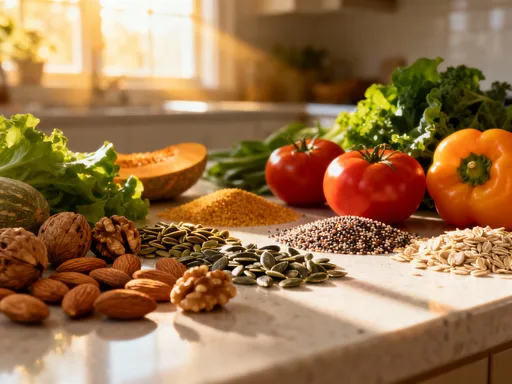
Everyday ingredients can become powerful allies. Leafy greens such as collards, turnip greens, and arugula are rich in calcium and magnesium. Nuts and seeds—pumpkin, chia, flax, and almonds—deliver zinc, iron, and healthy fats. Legumes like black beans, lentils, and chickpeas provide iron and potassium, along with fiber that supports digestive health. Whole grains such as quinoa, farro, and brown rice contribute magnesium and phosphorus.
The goal isn’t to overhaul your diet overnight but to gradually incorporate more of these foods into meals you already enjoy. Add chopped kale to scrambled eggs, sprinkle sunflower seeds on soup, or blend white beans into a dip. These small additions accumulate over time, creating a diet that consistently supports mineral balance. This approach is sustainable because it emphasizes abundance—what to add—rather than restriction—what to eliminate.
Simple Swaps That Actually Work
Change doesn’t have to be overwhelming. Small, consistent swaps can significantly improve mineral intake without disrupting your routine. One of the easiest is replacing white rice with black or red rice. These whole-grain varieties retain their bran and germ, offering more magnesium, iron, and fiber. They also have a richer, nuttier flavor that many find satisfying.
Another effective swap is adding pumpkin seeds to salads, yogurt, or oatmeal. Just a quarter cup provides nearly half the daily recommended intake of magnesium and a substantial amount of zinc. Unlike processed snacks, which offer little nutritional value, pumpkin seeds deliver sustained energy and satiety.
Choosing dark chocolate over milk chocolate is another practical move. Dark chocolate, especially varieties with 70% cocoa or higher, contains iron, magnesium, and antioxidants. A small square can satisfy a sweet craving while contributing to mineral needs. In contrast, milk chocolate is higher in sugar and lower in beneficial nutrients.
Opting for whole fruits instead of juice preserves fiber and slows sugar absorption, but it also retains more minerals. For example, an orange has more potassium and calcium than a glass of orange juice, despite coming from the same source. Similarly, eating a whole apple with skin provides more nutrients than applesauce, especially if the latter is sweetened or processed.
Switching from refined pasta to whole grain or legume-based versions increases intake of iron, magnesium, and zinc. Barley, farro, and lentil pasta are not only more nutritious but also more filling, helping to prevent overeating. These swaps don’t require new recipes—just a simple substitution in familiar dishes like pasta salad or stir-fry.
The key to lasting change is choosing swaps that fit your lifestyle. If cooking time is limited, batch-cook grains on weekends. If kids are picky eaters, blend spinach into smoothies or mix lentils into taco meat. Sustainability comes from practicality, not perfection.
Pairing for Power: Boosting Absorption Naturally
Getting minerals from food is only part of the equation—your body must also absorb them effectively. Some minerals are poorly absorbed on their own, but certain food combinations can enhance uptake. For example, plant-based iron (non-heme iron) is less readily absorbed than iron from meat, but its absorption increases dramatically when eaten with vitamin C-rich foods. Pairing lentils with tomatoes, spinach with lemon juice, or fortified cereal with strawberries can make a meaningful difference.
Fat-soluble vitamins aren’t the only nutrients that benefit from fat—some minerals do too. Including a small amount of healthy fat in a meal can improve the absorption of fat-soluble compounds that support mineral utilization. For instance, adding olive oil to a salad with kale and white beans helps your body access the nutrients more efficiently. Similarly, eating nuts or avocado with mineral-rich vegetables enhances overall nutrient delivery.
On the flip side, certain substances can inhibit mineral absorption if consumed at the wrong time. Coffee and tea contain compounds called tannins that can bind to iron and reduce its absorption. It’s not necessary to give them up, but waiting an hour after a meal before drinking them can help minimize interference. Calcium supplements and high-dose zinc can also compete with other minerals, so spacing them out supports better uptake.
Timing matters. Eating a balanced breakfast with iron-fortified oatmeal and sliced banana provides both iron and potassium, while the natural sugars in fruit support energy. A lunch of quinoa salad with chickpeas, bell peppers, and a citrus vinaigrette combines zinc, magnesium, and vitamin C for optimal absorption. Dinner featuring baked salmon, sweet potatoes, and steamed broccoli delivers potassium, selenium, and calcium in a single, satisfying meal.
By thinking of meals as combinations rather than isolated foods, you harness the power of synergy. This approach doesn’t require complicated planning—just awareness of how foods work together. Over time, these pairings become second nature, making nutrient-rich eating effortless and enjoyable.
Building Your Daily Plate: A Sustainable Approach
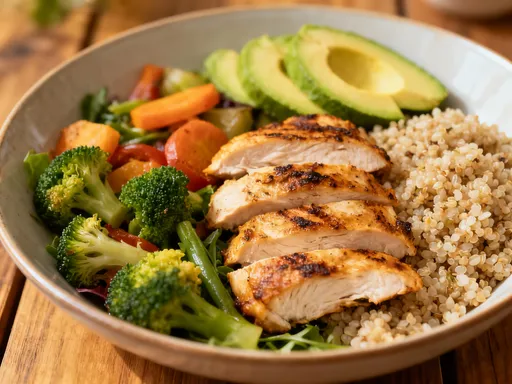
Sustainable mineral intake isn’t about strict rules or tracking every nutrient. It’s about creating a flexible framework that fits your life. One helpful visual guide is to fill half your plate with colorful vegetables and fruits. These provide potassium, magnesium, and a range of phytonutrients that support overall health. The other half can be divided between protein and whole grains, ensuring a steady supply of iron, zinc, and B vitamins.
Incorporating a source of seeds or nuts into each day is another simple strategy. Whether it’s chia seeds in smoothies, walnuts in salads, or almond butter on whole grain toast, these foods add crunch, flavor, and a concentrated dose of minerals. They also contribute healthy fats that support hormone balance and skin health—important concerns for women navigating perimenopause and beyond.
Rotating protein sources ensures a broader spectrum of nutrients. Beans and lentils offer iron and potassium, eggs provide selenium and choline, poultry contributes zinc, and fatty fish like sardines and salmon supply selenium and omega-3s. Even small portions—three to four ounces—can make a difference when consumed regularly.
Snacks are another opportunity. Instead of reaching for crackers or candy, choose options like roasted chickpeas, a piece of fruit with nut butter, or a small handful of mixed nuts. These choices stabilize blood sugar while delivering minerals steadily throughout the day.
Hydration also plays a role. Water is essential for transporting nutrients and maintaining electrolyte balance. Herbal teas, broths, and water-rich foods like cucumbers and melons contribute to fluid intake while providing trace minerals. Avoiding excessive sugary drinks helps prevent nutrient displacement—when empty calories crowd out nutrient-dense foods.
The goal is consistency, not perfection. Some days you’ll eat more vegetables; others, you might rely on convenience foods. That’s okay. What matters is the overall pattern. Over weeks and months, these choices build a foundation of resilience, energy, and well-being.
Final Thoughts: Small Bites, Big Gains
Mineral health doesn’t require expensive supplements, complicated regimens, or drastic diets. It grows from small, mindful choices made consistently over time. Real food—whole, varied, and thoughtfully prepared—has the power to nourish deeply and sustainably. When you choose a handful of pumpkin seeds over chips, or add spinach to your morning eggs, you’re not just eating—you’re investing in your long-term vitality.
The journey isn’t about achieving flawlessness but about cultivating awareness and intention. You don’t need to memorize every mineral’s function or track your intake down to the milligram. Instead, focus on building habits that naturally support nutrient richness: eating more whole foods, pairing foods wisely, and sourcing quality ingredients when possible.
Science supports this approach. Study after study shows that diets rich in plant-based foods, whole grains, and healthy fats are linked to lower rates of chronic disease, better energy, and improved mood. These benefits aren’t due to any single nutrient but to the collective power of food working in harmony.
As a woman balancing multiple roles and responsibilities, you deserve to feel strong, clear, and resilient. You don’t need a magic pill—just a return to real food. Start where you are. Make one swap this week. Notice how you feel. Let curiosity guide you, not pressure. Over time, these small steps add up to lasting change. No hype, no gimmicks—just the quiet, powerful truth that food, in its most natural form, is one of the greatest allies for health you’ll ever have.