Sleep Smarter, Not Harder: What I Learned from Tracking My Zzz’s
We’ve all been there—tossing, turning, and watching the clock tick past 2 a.m. I used to think poor sleep was just part of life until I started tracking my sleep patterns. What I discovered changed everything. Using simple health monitoring tools, I uncovered hidden habits wrecking my rest and made small, science-backed shifts that led to real improvements. This isn’t about quick fixes—it’s about seeing your sleep clearly and avoiding the traps most people don’t even notice. For years, I assumed I was doing fine. I spent eight hours in bed, fell asleep without much trouble, and didn’t rely on caffeine to function. Yet, I was constantly tired, unfocused, and irritable. It wasn’t until I began using a sleep tracker that I realized how fragmented and low-quality my rest truly was. The data didn’t lie: I was waking up multiple times each night, spending too little time in restorative deep sleep, and carrying habits that sabotaged my recovery without my awareness. This journey taught me that sleep isn’t just about duration—it’s about quality, consistency, and understanding the subtle signals your body sends. With the right tools and mindset, better rest isn’t a luxury. It’s within reach.
The Wake-Up Call: Why My Sleep Was Worse Than I Thought
For most of my adult life, I measured sleep success by one simple rule: if I stayed in bed for eight hours, I was doing well. I didn’t set alarms, I rarely felt fully awake, and I often napped in the afternoons. Still, I considered myself a good sleeper. That belief was shattered when I decided to try a sleep tracker out of curiosity. The first night’s report stunned me. While I thought I had slept through the night, the data showed I had woken up seven times—briefly, but enough to disrupt my sleep cycles. My deep sleep, the phase crucial for physical recovery and immune function, totaled only 54 minutes, far below the recommended range for someone my age. Even more surprising was my sleep efficiency, a measure of time actually spent sleeping versus time in bed, which hovered around 82%—a score considered suboptimal by sleep experts.
This mismatch between perception and reality is more common than many realize. Research from the National Sleep Foundation indicates that up to 30% of adults overestimate their sleep quality, often confusing time in bed with actual rest. The brain doesn’t always register brief awakenings, especially if they last only a few seconds. Yet, these micro-arousals prevent the body from entering and sustaining deep, restorative stages. I had been living with chronic sleep fragmentation without knowing it. The fatigue I dismissed as normal—midday brain fog, low energy, difficulty concentrating—wasn’t inevitable. It was a direct consequence of poor sleep architecture. This realization was my wake-up call, not just for the night, but for my entire approach to health. Sleep wasn’t something I could wing. It required attention, intention, and above all, awareness.
What made this discovery so powerful was its objectivity. Unlike mood or energy levels, which fluctuate and are influenced by countless factors, sleep data offers a clear, measurable record. It doesn’t care about how you feel—it shows what actually happened. For the first time, I could see patterns emerge across nights, not just isolated incidents. I noticed that weekends didn’t offer recovery, as I had assumed. In fact, my sleep was often worse due to later bedtimes and increased alcohol consumption. The tracker didn’t judge—it simply revealed. And in that revelation was the first step toward change: acknowledging that my habits were not serving me, no matter how normal they seemed.
The Tracking Trap: Gadgets That Help (and Ones That Don’t)
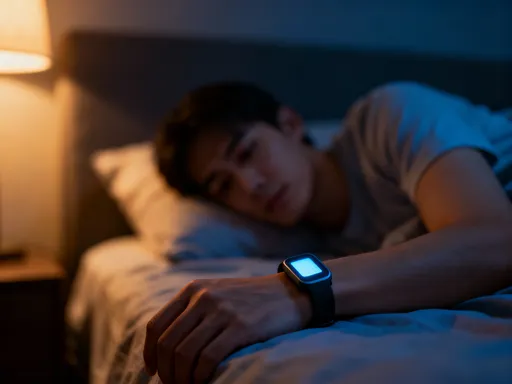
Excited by my initial findings, I dove into the world of sleep technology. I tested three types of devices: a wrist-worn fitness tracker, an under-mattress sensor, and a smartphone app that used sound and movement detection. Each promised detailed insights, but their accuracy and usability varied widely. The wrist tracker was convenient—already part of my daily routine—but often overestimated wake times, especially if I read in bed or adjusted my position frequently. It also struggled to distinguish between light sleep and wakefulness, leading to misleading reports. The under-mattress sensor, though more accurate in detecting movement and heart rate, required precise placement and recalibration after moving the bed. The app was free and easy to set up, but ambient noise from a partner or pet distorted the data, making it unreliable for consistent use.
What I learned is that no single device is perfect. Consumer-grade sleep trackers are not medical equipment. They use algorithms based on movement, heart rate, and breathing patterns to estimate sleep stages, but they can’t replicate the precision of a polysomnogram, the gold standard test used in sleep clinics. However, their value lies not in absolute accuracy, but in trend detection. A slight variation in one night’s deep sleep measurement may not matter, but a consistent decline over weeks signals a potential issue. The key is choosing a tool that fits your lifestyle and using it to identify patterns, not to obsess over nightly scores. I eventually settled on the under-mattress sensor because it didn’t require wearing anything, reduced motion artifacts, and synced seamlessly with my phone. It wasn’t flawless, but it provided stable, comparable data over time.
Equally important was learning how to use the data without becoming dependent on it. I noticed a tendency to check my sleep score first thing in the morning, letting it dictate my mood for the day. If the number was low, I felt defeated before I even got out of bed. This behavior defeated the purpose of tracking. Instead, I shifted my focus from daily fluctuations to weekly averages. I looked for gradual improvements—more consistent bedtimes, fewer awakenings, longer deep sleep periods—rather than perfect nights. I also ignored metrics that lacked clear meaning, like “sleep debt” or “recovery score,” which were often vague and inconsistently defined across brands. The goal was insight, not anxiety. A good tracker should empower you, not enslave you.
Data Dilemmas: What Your Sleep Numbers Actually Mean
At first, my sleep reports felt like reading a foreign language. Terms like “REM latency,” “sleep efficiency,” and “restlessness index” meant nothing to me. I assumed that low deep sleep was always bad and that high REM meant I had a great night. But sleep science is more nuanced. Deep sleep, also known as slow-wave sleep, is essential for physical repair, hormone regulation, and memory consolidation. It typically makes up 13–23% of total sleep in healthy adults, which for an eight-hour night means roughly 60 to 110 minutes. My 54 minutes fell below this range, but context mattered. Deep sleep naturally decreases with age, and occasional dips are normal. What mattered was the trend—was it consistently low? Was it getting worse?
REM sleep, the stage linked to dreaming and emotional processing, is equally important. It supports cognitive function, creativity, and mood regulation. But too much REM, especially at the expense of deep sleep, can indicate sleep deprivation, as the body tries to “catch up” on missed REM cycles. My tracker showed I was getting adequate REM, but it was fragmented, occurring in short bursts rather than long, uninterrupted periods. This suggested my sleep was being disrupted before full cycles could complete. Sleep efficiency, another key metric, measures the percentage of time in bed actually spent sleeping. A score above 85% is considered good. Mine was often in the low 80s, revealing that nearly two hours per week were lost to lying awake, even if I didn’t remember it.
One of the most important lessons was understanding individual variability. Sleep needs are not one-size-fits-all. While the average adult requires 7–9 hours, some function well on 6.5, others need closer to 9.5. Comparing my data to online forums or friends’ results was unhelpful and often discouraging. What mattered was my personal baseline—what my body needed to feel rested and perform well. Over time, I learned to correlate my data with how I felt during the day. On nights with higher deep sleep and better efficiency, I had more energy, better focus, and improved mood. The numbers began to make sense not in isolation, but in context. Sleep tracking isn’t about chasing ideal metrics—it’s about understanding your unique rhythm and using data to support, not override, your body’s signals.
The Hidden Sleep Killers: What My Tracker Revealed
With a clearer understanding of the data, I turned to the question: what was causing my poor sleep quality? I began logging my daily habits—caffeine intake, screen time, exercise, meals, and stress levels—and cross-referencing them with my sleep reports. The patterns that emerged were both surprising and revealing. The biggest culprit? Caffeine. I had always believed that as long as I didn’t drink coffee after 5 p.m., I was safe. But my tracker showed that on days when I consumed caffeine after 2 p.m., my sleep efficiency dropped by nearly 8%, and my time to fall asleep increased by 20 minutes. The effect wasn’t immediate—it built up over hours, peaking when I least expected it.
Another unexpected offender was screen time. I used to read emails or watch videos in bed, thinking it helped me wind down. But the data told a different story. On nights with more than 30 minutes of screen exposure within an hour of bedtime, my deep sleep decreased by 15%, and I had more awakenings. Blue light from devices suppresses melatonin, the hormone that signals sleep onset, delaying the natural sleep cycle. Even with a blue light filter, the mental stimulation from content kept my brain alert. I also discovered that my late-night snack—a small bowl of cereal—was working against me. While it seemed harmless, the spike in blood sugar triggered subtle metabolic activity that disrupted sleep continuity.
Stress, too, played a larger role than I realized. During particularly busy weeks, my restlessness index doubled, and my REM sleep became erratic. I didn’t feel anxious at bedtime, but my body was clearly under tension. The tracker couldn’t measure emotions, but it reflected their impact. By identifying these triggers, I gained a sense of control. Each one became a testable variable. I experimented with cutting caffeine after noon, banning screens an hour before bed, replacing snacks with herbal tea, and adding a 10-minute breathing exercise. The results were measurable: within a week, my sleep efficiency improved, and deep sleep increased by 12 minutes on average. These weren’t dramatic changes, but they were consistent—and they added up.
From Data to Action: Small Shifts That Actually Worked
Knowledge is only powerful when applied. Once I identified the main disruptors, I focused on building sustainable changes. I started with my bedtime routine. Instead of drifting into sleep whenever I felt tired, I set a consistent bedtime and wake time, even on weekends. This helped regulate my circadian rhythm, the internal clock that governs sleep-wake cycles. I also optimized my sleep environment: I invested in blackout curtains, lowered the bedroom temperature to 65°F (18°C), and used a white noise machine to mask outside sounds. These small adjustments created a space that signaled safety and rest to my brain.
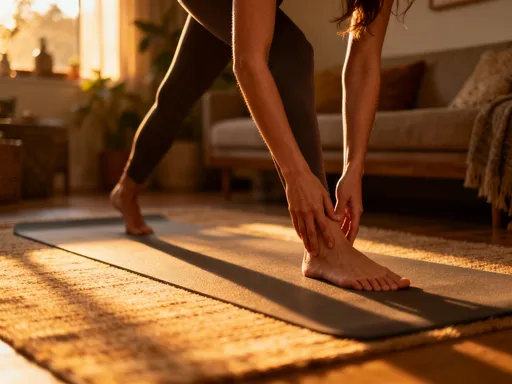
I introduced a wind-down ritual: 30 minutes before bed, I turned off all screens, dimmed the lights, and engaged in relaxing activities—reading a physical book, journaling, or gentle stretching. This replaced the habit of scrolling through social media, which had kept my mind active and alert. I also adjusted my lighting during the evening, using warm, low-intensity bulbs to support natural melatonin production. During the day, I made sure to get morning sunlight exposure, which helped anchor my circadian rhythm and improve nighttime sleep drive.
The changes weren’t always easy. There were nights when I slipped back into old habits—watching a late show, drinking tea with hidden caffeine, or skipping my routine due to fatigue. But the tracker helped me stay accountable. Instead of feeling guilty, I used the data to learn. A poor night wasn’t a failure—it was feedback. Over time, the improvements became self-reinforcing. Better sleep led to more energy, which made it easier to stick to healthy habits during the day. After three weeks, I noticed I was waking up more easily, feeling more alert in the morning, and needing fewer naps. My average deep sleep rose to 72 minutes, and my sleep efficiency consistently stayed above 87%. The real victory wasn’t the numbers—it was how I felt.
When to Trust the Tech—and When to Step Back
As my sleep improved, I noticed a new challenge emerging: dependence on the tracker. I found myself checking my score every morning, sometimes feeling anxious if it wasn’t “good enough.” I started adjusting my behavior based on the previous night’s data—skipping exercise after a poor sleep or napping longer than usual. This defeated the purpose of tracking. Sleep should support well-being, not become a source of stress. I realized I was letting the device dictate my life, rather than using it as a tool.
Experts warn that over-monitoring can lead to orthosomnia, a condition where the pursuit of perfect sleep becomes counterproductive. The American Academy of Sleep Medicine notes that excessive focus on sleep data can increase anxiety, worsen insomnia, and create a distorted relationship with rest. I decided to take a step back. I limited my data checks to once a week, reviewing trends rather than daily scores. I also took occasional breaks—three to four days without tracking—to reconnect with my body’s natural cues. During those periods, I paid attention to how I felt upon waking, my energy levels, and my mood. I discovered that my intuition had improved. I could often predict my sleep quality before seeing the data.
Technology is most useful when it enhances self-awareness, not replaces it. The tracker was never meant to be a permanent crutch. It served as a mirror, reflecting habits I couldn’t see on my own. But long-term sleep health depends on listening to your body, not a screen. I learned to balance data with instinct, using the device as a periodic check-in rather than a constant supervisor. This shift reduced anxiety and made rest feel more natural, not like a performance to be optimized.
Building a Sustainable Sleep Lifestyle: Beyond the Gadget
Sleep is not a problem to be solved with a single gadget or a short-term fix. It’s a pillar of lifelong health, as essential as nutrition and exercise. My experience taught me that short-term tracking can lead to long-term awareness. The insights I gained didn’t disappear when I stopped wearing the device every night. They became part of my daily rhythm—knowing when to stop caffeine, how to wind down, and what environment supports rest. Even now, I use the tracker occasionally, perhaps once a month, to spot-check my habits or adjust after travel or stress.
True sleep wellness comes from consistency, not perfection. It’s about creating routines that align with your biology and lifestyle. It’s understanding that one bad night doesn’t ruin progress, and one perfect score doesn’t guarantee health. It’s recognizing that rest is not passive—it’s an active commitment to self-care. For women in their 30s, 40s, and 50s, this is especially important. Hormonal changes, caregiving responsibilities, and shifting energy levels make quality sleep a non-negotiable foundation for well-being. Tracking helped me reclaim mine, not through drastic measures, but through small, informed choices.
The ultimate goal isn’t to become a sleep data expert. It’s to sleep smarter, not harder. It’s to wake up feeling restored, capable, and in tune with your body. Real rest begins with real understanding. And sometimes, all it takes is a closer look at the quiet hours to transform the way you live the rest of your day.