How I Fixed My Sleep Without Pills — A Real Routine That Works
I used to lie awake for hours, mind racing, body tired but unable to rest. I tried everything—sleep apps, melatonin, even cutting out coffee—nothing worked long-term. Then I discovered the real fix wasn’t in a bottle, but in movement. Science shows that the right kind of exercise, done at the right time, can reset your sleep rhythm naturally. This isn’t a quick fix, but a proven, sustainable path to deeper, more restful nights. Over time, I learned that sleep isn’t something to be forced, but something to be invited through daily rhythm, consistency, and mindful physical activity.
The Hidden Link Between Movement and Sleep
Sleep and physical activity are deeply intertwined in the body’s natural systems. One does not thrive without the other. Movement during the day signals to the brain that the body is active, engaged, and using energy—this builds what scientists call “sleep pressure,” the biological drive to sleep that accumulates over waking hours. This pressure is largely driven by the buildup of adenosine, a compound that increases the longer you are awake and alert. Exercise accelerates this process, making it easier to fall asleep and stay asleep once bedtime arrives.
Additionally, physical activity helps regulate the circadian rhythm, the body’s internal 24-hour clock that governs when you feel alert or drowsy. Exposure to movement, particularly in natural daylight, reinforces this rhythm by signaling to the brain that it’s daytime. This signal suppresses melatonin—the sleep hormone—during waking hours and ensures its timely release in the evening. Studies have found that individuals who engage in regular daytime activity fall asleep faster, experience fewer nighttime awakenings, and report improved overall sleep satisfaction.
Exercise also influences the body’s stress response, which plays a critical role in sleep quality. Physical activity reduces levels of cortisol, the primary stress hormone that, when elevated at night, can keep the mind alert and prevent relaxation. Moderate aerobic and resistance training have been shown to lower resting cortisol levels over time, creating a physiological environment more conducive to rest. Moreover, movement increases the production of endorphins and serotonin—neurochemicals that support mood stability and relaxation, both of which are essential for peaceful sleep.
Another key mechanism is the effect of exercise on body temperature. Physical activity raises core temperature, and the subsequent drop several hours later mimics the natural cooling process that occurs before sleep. This temperature dip is one of the strongest biological cues for the onset of sleep. When timed properly, exercise can enhance this natural rhythm rather than disrupt it. It’s not just about moving the body—it’s about aligning that movement with the body’s internal timing to create a seamless transition into rest.
Why Traditional Sleep Advice Falls Short
Most sleep guidance focuses heavily on the nighttime environment: dim lights, cool rooms, no screens after 8 PM, consistent bedtimes. While these habits are helpful, they often overlook a crucial factor—what happens during the day. For many women in their 30s to 50s, especially those managing household responsibilities, remote work, or caregiving, the day is often spent largely sedentary. Long stretches of sitting, minimal physical engagement, and mental fatigue without physical exertion create a mismatch between the mind’s need for rest and the body’s readiness to sleep.
The brain may feel overwhelmed, but the body hasn’t been given the signal that it has “earned” sleep. This disconnect is a common root of insomnia. Without sufficient physical activity, sleep pressure doesn’t build adequately, and the circadian rhythm becomes blurred. The result is lying in bed, physically still but mentally active—exhausted yet awake. Traditional advice rarely addresses this imbalance, leaving many frustrated even when they follow all the rules.
Consider the typical evening of a working mother: she’s been on calls all day, managing school schedules, preparing meals, and responding to household needs—all mentally demanding but physically passive. By bedtime, she’s drained, yet her body hasn’t experienced the kind of engagement that promotes deep rest. She may follow a perfect wind-down routine: herbal tea, a book, no phone—but still, sleep evades her. The missing ingredient? Purposeful movement earlier in the day.
Research supports this gap. A study published in the journal Sleep Medicine Reviews found that individuals with sedentary lifestyles are significantly more likely to suffer from chronic sleep disturbances, even when controlling for stress and screen time. The data shows that inactivity is not neutral—it actively contributes to poor sleep. Addressing daytime behavior, especially regular physical activity, is not an optional add-on; it’s a foundational element of long-term sleep health. Without it, even the most disciplined nighttime routines may fall short.
The Problem with Late-Night Workouts
While exercise is beneficial for sleep, timing is critical. High-intensity workouts too close to bedtime—such as vigorous strength training, indoor cycling, or interval sessions—can interfere with sleep onset. These activities elevate heart rate, core body temperature, and cortisol levels, all of which are counterproductive when the body should be transitioning into rest. The stimulating effects can linger for 1–3 hours, making it harder to relax and fall asleep, even if one feels physically tired.
The body’s ability to initiate sleep depends on a drop in core temperature and a shift in hormonal balance toward parasympathetic dominance—the “rest and digest” state. Intense evening exercise activates the sympathetic nervous system, triggering alertness and delaying this transition. For individuals already struggling with insomnia, a late workout may feel productive in the moment but ultimately disrupts the very rest they’re seeking.
However, this doesn’t mean evening activity should be avoided altogether. Moderate, low-stimulus movement in the early evening—such as gentle yoga, stretching, or resistance band exercises—can actually support sleep. These activities promote relaxation, improve circulation, and help release tension without overactivating the nervous system. The key is intensity: anything that causes heavy breathing, sweating, or increased heart rate should ideally be completed at least three to four hours before bedtime.
Research from the Journal of Clinical Sleep Medicine suggests that the optimal window for moderate to vigorous exercise is between 4 PM and 7 PM, allowing enough time for body temperature and stress hormones to return to baseline before sleep. Morning exercise is also highly effective, particularly when combined with daylight exposure, which strengthens circadian rhythm. Ultimately, alignment with natural energy patterns—feeling energized during the day and naturally winding down at night—is the goal. Exercise should support this flow, not disrupt it.
Your Daily Movement Blueprint
Building a sustainable movement routine doesn’t require gym memberships, complicated equipment, or hours of time. What it does require is consistency, intention, and alignment with your natural rhythm. The most effective approach is a layered one—small, purposeful movements distributed throughout the day, each playing a specific role in supporting nighttime rest.
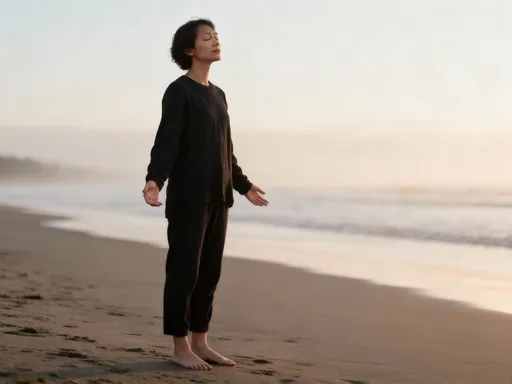
Start with morning light exposure and gentle movement. Within 30 to 60 minutes of waking, step outside—even briefly—and allow natural daylight to reach your eyes. Pair this with 5–10 minutes of light stretching, a short walk around the block, or a few rounds of deep breathing and bodyweight squats. This combination signals to the brain that the day has begun, suppresses lingering melatonin, and sets the circadian clock. Even on cloudy days, outdoor light is significantly brighter than indoor lighting and plays a crucial role in regulating sleep-wake cycles.
Midday is the ideal time for aerobic activity. A 20–30 minute brisk walk, whether after lunch or during a work break, can significantly boost energy, improve mood, and build sleep pressure. If walking isn’t possible, simple alternatives like stair climbing, dancing to a favorite song, or a structured 10-minute home workout can be just as effective. The goal is to elevate the heart rate moderately and sustain it for a short duration. This type of activity enhances blood flow to the brain, reduces afternoon fatigue, and contributes to deeper sleep later.
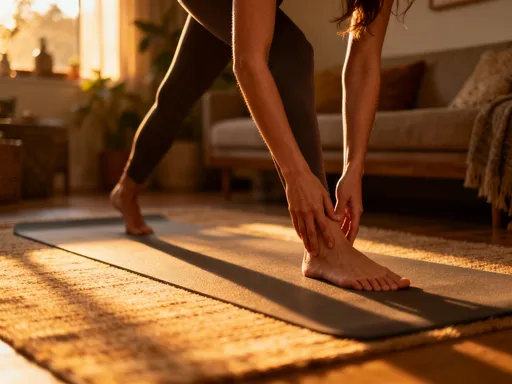
In the early evening, focus shifts to movement that supports relaxation. This might include a 15–20 minute session of gentle yoga, focusing on hip openers and forward folds, which are known to calm the nervous system. Light resistance training with bands or small weights can also be beneficial, as it promotes muscle fatigue without overstimulation. The key is to avoid pushing to exhaustion; the goal is activation followed by release, not strain. Ending the movement session with 5 minutes of deep breathing or progressive muscle relaxation further signals the body that it’s time to transition toward rest.
Consistency matters more than intensity. A daily 10-minute walk is more effective for sleep than a single 90-minute workout once a week. The body thrives on rhythm, and regular movement—even in small doses—creates a predictable pattern that the nervous system can rely on. Over time, this predictability makes it easier to fall asleep, stay asleep, and wake feeling refreshed.
Low-Impact Activities That Actually Help Sleep
For many women balancing family, work, and personal well-being, high-intensity workouts are neither practical nor sustainable. Fortunately, science confirms that low-impact, accessible activities are highly effective for improving sleep quality. Brisk walking, for example, has been shown in multiple studies to increase time spent in deep sleep—the most restorative phase of the sleep cycle. Just 30 minutes of daily walking can lead to a 15–20% improvement in slow-wave sleep, according to research published in Sleep, a peer-reviewed journal.
Cycling, whether outdoors or on a stationary bike, offers similar benefits. It provides sustained aerobic activity without high joint impact, making it ideal for those with mobility concerns or joint sensitivity. Even short, 15-minute sessions spread throughout the day can contribute to better sleep outcomes. The rhythmic motion of pedaling also has a meditative quality, helping to quiet the mind and reduce pre-sleep anxiety.
Stretching routines, particularly those that incorporate controlled breathing, have been linked to improvements in sleep onset latency—the time it takes to fall asleep. A regular stretching practice, especially in the evening, helps release physical tension accumulated during the day. Focus on areas where stress often lodges: the neck, shoulders, hips, and lower back. Gentle poses like child’s pose, seated forward bend, and supine twists activate the parasympathetic nervous system, signaling safety and relaxation.
Yoga, especially restorative or gentle styles, has been extensively studied for its sleep-enhancing effects. A 2020 meta-analysis in Complementary Therapies in Medicine found that regular yoga practice significantly improves sleep quality, reduces nighttime awakenings, and increases feelings of morning refreshment. Unlike vigorous forms, restorative yoga uses props and long holds to encourage deep relaxation, making it ideal for evening practice. Even 10–15 minutes before bed can make a noticeable difference over time.
Building a Sustainable Habit, Not a Gimmick
The biggest challenge isn’t knowing what to do—it’s doing it consistently. Many sleep improvement plans fail because they demand too much too soon. The goal is not perfection, but progress. Sustainable change comes from small, repeatable actions that fit into real life. Habit stacking—pairing a new behavior with an existing routine—is one of the most effective strategies for long-term adherence.
For example, take a 10-minute walk immediately after lunch. This simple act combines movement, light exposure, and a mental break—all of which support sleep. Or stretch for five minutes while dinner is cooking. These moments don’t require extra time; they simply repurpose existing routines. Over time, these micro-habits accumulate, building both physical readiness and mental confidence.
Motivation will fluctuate, and that’s normal. On days when energy is low, scale back—choose gentle movement over none at all. The body still benefits from light activity. Celebrate consistency, not intensity. Missing a day isn’t failure; it’s part of the process. What matters is returning to the routine without self-criticism.
Tracking progress can also reinforce commitment. Keep a simple journal noting daily movement and sleep quality. Over weeks, patterns will emerge—days with more activity often correlate with deeper sleep. This feedback loop strengthens motivation and provides tangible proof that the effort is working. Remember, this isn’t about punishment or performance; it’s about self-care and honoring the body’s need for balance.
When to Seek Professional Support
While movement is a powerful tool, it is not a cure-all. Persistent insomnia, frequent nighttime awakenings, or unrefreshing sleep despite consistent effort may indicate an underlying condition such as sleep apnea, restless legs syndrome, or hormonal imbalances. These require professional evaluation and targeted treatment. Exercise should be viewed as part of a broader, personalized approach to sleep health—not a substitute for medical care.
Consulting a healthcare provider is essential when sleep issues interfere with daily functioning. A doctor can assess for physical causes, review medications that may affect sleep, and recommend appropriate testing if needed. Cognitive Behavioral Therapy for Insomnia (CBT-I) is another evidence-based option that has been shown to be highly effective, often more so than medication, for chronic sleep difficulties.
Movement and medical support are not mutually exclusive. In fact, they often work best together. A doctor may recommend lifestyle changes—including physical activity—as a first-line strategy. The combination of professional guidance and personal effort creates a comprehensive plan that addresses both behavioral and physiological factors. The goal is not quick perfection, but steady, informed progress toward better rest.
Improving sleep is not about force—it’s about flow. It’s about aligning daily habits with the body’s natural rhythms, creating conditions where rest can occur effortlessly. Movement is not a miracle cure, but it is a reliable, science-backed foundation. When practiced consistently and with intention, it transforms the relationship between wakefulness and rest. Better sleep isn’t found in a pill or a trend; it’s built through small, daily choices that honor the body’s need for activity, rhythm, and recovery. Over time, these choices compound into deeper nights, calmer minds, and more vibrant days. The journey begins not in the dark, but in the light of morning, with a single step forward.