Why My Yoga and Meditation Practice Almost Backfired — And How I Fixed It
For years, I thought yoga and meditation were my golden tickets to better health—less stress, stronger immunity, and a calmer mind. But when I pushed too hard, skipped basics, and ignored my body’s signals, I ended up more exhausted than energized. Turns out, even natural practices can go wrong. This is how I learned to prevent burnout, avoid common mistakes, and make mindfulness truly work for long-term wellness.
The Hidden Risks Behind a "Perfect" Routine
Many people believe that yoga and meditation are inherently safe, assuming these ancient practices automatically lead to better well-being. While they offer profound benefits when done correctly, the reality is that improper use can create more harm than good. The misconception that “more is better” often leads individuals to overcommit—practicing too long, too intensely, or without proper guidance. This mindset contradicts the foundational principle of balance, a cornerstone in both Eastern and modern holistic health frameworks.
One of the most common issues arises when practitioners treat yoga as a fitness challenge rather than a mindful movement practice. Forcing the body into advanced poses without adequate preparation can result in muscle strain, joint stress, or even long-term injuries. Similarly, in meditation, some attempt to suppress thoughts or emotions instead of observing them, which may lead to emotional numbness or increased internal tension. These outcomes undermine the very purpose of these disciplines: to cultivate inner harmony and physical resilience.
Traditional Chinese wellness, known as yangsheng, emphasizes living in alignment with natural rhythms and listening deeply to the body’s signals. It teaches that health is not achieved through force but through gentle, consistent cultivation. When yoga and meditation are approached with this awareness, they become tools for prevention rather than sources of strain. Recognizing early signs of discomfort—whether physical tightness, mental fatigue, or emotional unrest—allows for timely adjustments before deeper imbalances take root.
The key lies in shifting from performance-based goals to process-oriented practice. Instead of measuring success by how deep a stretch feels or how long one can sit in silence, the focus should be on presence, breath quality, and subtle bodily feedback. This shift protects against overexertion and supports sustainable well-being. By honoring individual limits and embracing gradual progress, practitioners align with true preventive health principles—where safety, awareness, and balance come first.
When Mindfulness Misses the Mark
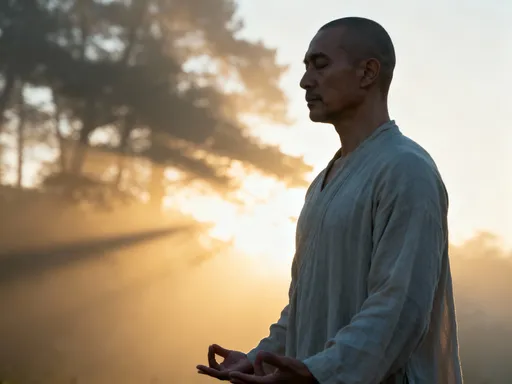
Meditation is often misunderstood as simply sitting quietly with closed eyes. However, the quality of attention determines whether the practice nourishes the mind or inadvertently increases stress. Many people fall into the trap of passive zoning out, mistaking mental emptiness for mindfulness. True mindfulness involves active, non-judgmental awareness of the present moment—including thoughts, sensations, and emotions—without trying to change or escape them.
When practiced incorrectly, meditation can amplify anxiety instead of reducing it. For instance, forcing concentration or suppressing emotions may create internal resistance, leading to heightened mental tension. Some individuals report feeling more restless or emotionally fragile after sessions, not because meditation is harmful, but because their approach lacks proper technique. Incorrect breathing patterns—such as shallow chest breathing or breath-holding—can activate the sympathetic nervous system, triggering the body’s stress response instead of calming it.
To ensure meditation supports mental clarity and emotional regulation, it’s essential to establish foundational habits. Begin with natural, diaphragmatic breathing—slow, deep breaths that expand the belly on inhalation and gently contract it on exhalation. This type of breathing activates the parasympathetic nervous system, promoting relaxation and lowering cortisol levels. Pairing breath awareness with gentle observation of thoughts allows the mind to settle without suppression.
Another crucial element is setting realistic intentions. Rather than aiming to “clear the mind,” which is neither possible nor necessary, the goal should be to notice distractions and return to the present with kindness. Each time attention wanders and is gently brought back, it strengthens neural pathways associated with focus and emotional resilience. Over time, this builds mental flexibility and reduces reactivity to daily stressors, contributing to long-term disease prevention.
Simple checks can help assess whether a meditation practice is effective. After a session, ask: Do I feel more centered or more drained? Is my breathing relaxed or strained? Am I more aware of my body, or disconnected from it? Honest reflection guides refinement. A well-aligned practice should leave one feeling grounded, not spaced out or emotionally flat. When mindfulness is cultivated with patience and self-compassion, it becomes a reliable anchor in life’s inevitable fluctuations.
Yoga Missteps That Undermine Health
Yoga is widely celebrated for enhancing flexibility, strength, and mental calm. Yet, when performed with poor alignment or excessive ambition, it can compromise joint integrity and muscular balance. Many injuries stem not from the poses themselves, but from subtle errors repeated over time. These missteps often go unnoticed until discomfort becomes chronic, highlighting the importance of mindful execution over aesthetic achievement.
One frequent issue is overarching the lower back, particularly in poses like upward-facing dog, bridge, or even simple forward bends. This habit places undue pressure on the lumbar spine, increasing the risk of disc irritation and muscular strain. It often occurs when core engagement is weak or when flexibility in the hips and hamstrings is limited, causing the lower back to compensate. To prevent this, practitioners should prioritize pelvic alignment and engage the abdominal muscles to support the spine, ensuring movement comes from strength, not momentum.
Another common misstep is collapsing the neck, especially in inversions or backbends. Lifting the head too high or allowing it to drop backward can compress cervical vertebrae, leading to headaches, dizziness, or long-term postural dysfunction. In poses like cobra or wheel, the neck should remain in line with the spine, with the gaze slightly forward rather than upward. Protecting the neck preserves the delicate balance of the upper spine and ensures safe energy flow, a concept emphasized in traditional wellness systems.
Holding the breath during challenging poses is a third but often overlooked error. Breath retention activates the stress response, counteracting yoga’s calming effects. It typically happens when effort increases, and attention shifts solely to physical performance. However, steady breathing is a vital indicator of appropriate intensity. If the breath becomes jagged or stops altogether, it signals the need to ease off. Maintaining smooth, rhythmic breath ensures oxygen delivery to muscles, supports endurance, and keeps the nervous system balanced.
These physical habits, if uncorrected, can weaken the body’s natural defenses. Chronic misalignment leads to compensatory patterns that reduce mobility, impair circulation, and diminish immune efficiency. Over time, this contradicts the goal of preventive wellness. The solution lies in prioritizing form over depth, using props when needed, and listening to the body’s feedback. A sustainable yoga practice is not defined by how advanced the poses are, but by how safely and mindfully they are performed.
The Overlooked Role of Timing and Rhythm
Just as the quality of practice matters, so does its timing. Traditional Chinese养生 (yangsheng) teaches that the body operates according to natural cycles, including circadian rhythms and the flow of energy through meridians. Disrupting these rhythms—by practicing intense yoga late at night or meditating immediately after heavy meals—can interfere with digestion, sleep, and overall vitality.
For example, vigorous styles like power yoga or hot yoga stimulate the sympathetic nervous system, raising heart rate and alertness. While beneficial in the morning or early afternoon, such practices in the evening may delay the onset of sleep by delaying melatonin release. Instead, aligning movement with the body’s natural energy peaks and dips enhances restorative benefits. Morning movement supports circulation and mental clarity, while gentle evening practices promote relaxation and prepare the body for deep rest.
Similarly, meditation is most effective when integrated into daily transitions—such as before starting work, after returning home, or before bedtime. Meditating right after eating, however, may lead to drowsiness or digestive discomfort, as blood flow is directed toward the stomach. Waiting at least 30 to 60 minutes after a meal allows the body to digest properly while maintaining alertness during practice.
According to meridian theory, energy flows through specific pathways at different times of day. For instance, the stomach meridian is most active between 7–9 a.m., making it an ideal window for light movement or mindful eating. The heart meridian peaks between 11 a.m.–1 p.m., suggesting midday as a favorable time for brief meditative pauses to support emotional balance. While rigid scheduling isn’t necessary, awareness of these patterns helps individuals choose optimal moments for practice without forcing routines that conflict with natural physiology.
Synchronizing yoga and meditation with daily rhythms not only improves physical outcomes but also strengthens immunity. Consistent alignment with biological timing regulates hormone production, supports gut health, and enhances detoxification processes. These subtle but powerful effects contribute to long-term disease prevention. By honoring the body’s innate intelligence, practitioners move beyond generic routines toward personalized, rhythm-based wellness.
Mismatched Expectations and Emotional Backlash
Many women begin yoga and meditation with high hopes—expecting rapid relief from stress, improved sleep, or even reversal of chronic conditions. While these practices support healing, they are not instant cures. When results don’t appear quickly, frustration can set in, leading to emotional disappointment and even increased stress. This paradox—where a tool meant to reduce anxiety ends up amplifying it—stems largely from unrealistic expectations.
Impatience triggers the release of cortisol, the primary stress hormone. Elevated cortisol levels over time impair immune function, disrupt sleep, and contribute to weight gain, particularly around the abdomen. Ironically, the very state people seek to escape becomes worse due to the pressure to “get better fast.” This emotional backlash reveals a critical gap: the need to reframe practice as a form of daily self-care rather than a performance metric.
Progress in mindfulness and movement is rarely linear. Some days will feel clear and energizing; others may bring restlessness or fatigue. These fluctuations are normal and do not indicate failure. What matters is consistency, not intensity. A five-minute breathing exercise done daily has more cumulative benefit than an hour-long session done once a week. Small, regular investments in well-being gradually reshape neural pathways, improve emotional regulation, and enhance physical resilience.
Shifting perspective from outcome-based goals to process-oriented practice fosters self-compassion. Instead of asking, “Did I feel calmer today?” one might ask, “Did I show up for myself?” This subtle change reduces internal pressure and nurtures a sustainable relationship with wellness. Over time, trust in the process grows, and the emotional rewards—greater patience, reduced reactivity, improved mood—emerge naturally.
Understanding that healing takes time allows women to approach their routines with kindness and realism. Letting go of perfectionism creates space for genuine growth. When yoga and meditation are seen as lifelong companions rather than quick fixes, they become reliable sources of strength through life’s many transitions.
Creating a Sustainable, Personalized Practice
Safety and effectiveness in yoga and meditation depend on personalization. A routine that works for one person may overwhelm another, depending on energy levels, physical condition, and emotional state. The most protective and empowering step is self-assessment before beginning any session. Taking just a few moments to check in—How am I feeling today? Am I tired, sore, or emotionally drained?—guides appropriate choices and prevents overexertion.
For those new to practice or recovering from burnout, starting small is essential. Beginning with five-minute meditations or gentle stretches lowers the barrier to entry and builds confidence. Short sessions are easier to maintain and still offer measurable benefits, such as reduced heart rate and improved focus. Gradually increasing duration as comfort grows ensures sustainability without strain.
Choosing the right style of movement is equally important. Vigorous forms may not suit everyone, especially during periods of fatigue or hormonal shifts. Gentler practices like Yin yoga, restorative yoga, or Tai Chi-inspired sequences emphasize slow, deliberate movements and deep breathing. These styles support joint health, improve circulation, and activate the parasympathetic nervous system, making them ideal for stress reduction and long-term wellness.
Equally vital is honoring the need for rest. Just as muscles require recovery after physical activity, the nervous system benefits from stillness and quiet. Incorporating rest days into a weekly routine prevents mental fatigue and allows integration of benefits. Seasonal adjustments also play a role—lighter, more active practices may suit spring and summer, while slower, inward-focused routines align with fall and winter rhythms.
Personalization also includes environmental factors. Creating a calm, clutter-free space at home supports focus and relaxation. Using supportive props—such as cushions, blankets, or straps—enhances comfort and alignment. These small details contribute to a practice that feels nurturing rather than demanding, reinforcing the idea that self-care is not a luxury, but a necessity.
Integrating Wisdom Without Overcomplicating Life
Long-term health is built not through dramatic changes, but through consistent, mindful choices woven into daily life. The integration of ancient wisdom and modern science shows that prevention is less about perfection and more about awareness. Simple habits—like taking three deep breaths before meals, doing a brief shoulder release after sitting at a desk, or pausing to observe the sunset—can significantly enhance resilience over time.
These micro-moments of mindfulness accumulate, training the body and mind to respond to stress with greater ease. They require no special equipment or large time commitments, making them accessible even on the busiest days. When practiced regularly, they reinforce neural pathways associated with calm and clarity, reducing the cumulative burden of daily stressors.
The journey of wellness is not about avoiding challenges, but about building the capacity to navigate them with grace. Yoga and meditation, when approached with intelligence and self-awareness, become powerful allies in this process. They teach us to listen, to adjust, and to honor our changing needs without judgment.
Lasting health grows from consistent, thoughtful practice—not from intensity or duration, but from presence and intention. By learning from mistakes, respecting personal limits, and aligning with natural rhythms, women can transform these practices into sustainable sources of strength. The goal is not to achieve a perfect routine, but to cultivate a resilient, responsive relationship with oneself—one that supports vitality, balance, and well-being for years to come.