You Won’t Believe How Walking Fixed My Sleep
Ever tossed and turned all night, only to wake up exhausted? I’ve been there—until I discovered how simple movement can transform sleep quality. No pills, no strict diets, just intentional daily motion. Turns out, your body craves rhythm, not perfection. This is how I unlocked deeper, more restful sleep through accessible, science-backed movement—no gym required. What began as a small habit of walking after dinner slowly reshaped my energy, mood, and most importantly, my ability to fall and stay asleep. If you’ve ever felt defeated by restless nights, you’re not alone—and there’s hope in the simplest of steps.
The Hidden Link Between Movement and Sleep
At first glance, walking and sleep may seem unrelated—one happens when you’re awake and active, the other when you’re still and at rest. But the truth is, they are deeply intertwined. The human body operates on biological rhythms, and one of the most powerful regulators of these rhythms is movement. Physical activity, even at a low intensity, sends signals to the brain and nervous system that help align your internal clock, also known as the circadian rhythm. This rhythm governs when you feel alert and when you feel sleepy, and when it’s disrupted, sleep suffers.
Scientific research consistently shows that regular physical activity improves both the duration and quality of sleep. A study published in the journal Sleep Medicine Reviews found that moderate aerobic exercise, such as walking, significantly increases slow-wave sleep—the deep, restorative phase where the body repairs tissues, strengthens immunity, and consolidates memories. This type of sleep is essential for feeling refreshed in the morning, yet many adults don’t get enough of it. The good news? You don’t need to run marathons or lift heavy weights to benefit. Light to moderate movement, when done consistently, can shift your sleep patterns in a positive direction.
One of the key ways movement supports better sleep is by regulating stress hormones. Cortisol, often called the “stress hormone,” naturally peaks in the morning to help you wake up and gradually declines throughout the day. However, chronic stress, irregular schedules, and lack of physical activity can cause cortisol levels to remain elevated into the evening, making it harder to relax and fall asleep. Regular walking helps lower cortisol over time, especially when done in natural light, which further supports hormonal balance. Morning or midday walks are particularly effective because they reinforce the natural cortisol rhythm, helping your body recognize when it’s time to be awake and when it’s time to wind down.
Another common misconception is that only intense workouts count. While vigorous exercise has its benefits, it’s not required for better sleep. In fact, for some people—especially those who are new to exercise or dealing with fatigue—high-intensity workouts can be overstimulating and counterproductive if done too close to bedtime. The goal isn’t performance; it’s consistency and rhythm. Gentle movement like walking, stretching, or light gardening can be just as effective, if not more so, in preparing the body for rest. The key is regularity: moving a little each day builds a foundation that supports deeper, more consistent sleep over time.
Why Modern Life Sabotages Both Activity and Rest
Modern lifestyles have created a paradox: we move less than ever, yet feel more exhausted. Many adults spend the majority of their day sitting—commuting, working at desks, eating meals, and unwinding in front of screens. This sedentary pattern disrupts the body’s natural need for movement, which in turn affects sleep. Our ancestors were physically active throughout the day, following natural light cycles. Today, artificial lighting, digital distractions, and irregular schedules confuse the body’s internal clock, making it harder to fall asleep and stay asleep.
One of the biggest culprits is screen time. The blue light emitted by phones, tablets, and computers suppresses melatonin, the hormone that signals it’s time to sleep. When you spend hours staring at screens—especially in the evening—your brain receives mixed messages: it’s dark outside, but the light from your device says it’s still daytime. This delays the onset of sleep and reduces overall sleep quality. At the same time, the mental stimulation from emails, social media, and news keeps the mind active, making it difficult to transition into a relaxed state.
The lack of physical movement compounds this problem. When you don’t use your body during the day, it doesn’t experience the natural fatigue that helps trigger sleep. Muscles don’t get the signal to rest, energy isn’t properly regulated, and the nervous system remains in a state of low-grade alertness. This creates a cycle: you’re tired but not sleepy, drained but unable to relax. The result is lying in bed, mentally replaying the day’s events, worrying about tomorrow, or scrolling through your phone in hopes of feeling drowsy.
Another factor is the loss of routine. Life for many adults—especially those managing households, careers, and family responsibilities—lacks consistent structure. Work deadlines, children’s schedules, and social obligations often lead to irregular bedtimes and wake times. This inconsistency confuses the circadian rhythm, making it harder for the body to anticipate when it should be awake or asleep. Without a stable routine, even small disruptions—like staying up late one night—can throw off sleep for days. The good news is that introducing daily movement can help re-establish rhythm, even in the midst of a busy life.
Small Shifts, Big Results: My Personal Turnaround
For years, I struggled with sleep. I would go to bed at a reasonable hour, only to lie awake for hours, my mind racing with to-do lists and unresolved thoughts. I tried everything—sleep supplements, blackout curtains, white noise machines—but nothing brought lasting relief. I was tired all day but couldn’t seem to rest at night. Then, on the advice of my doctor, I started walking—just 15 minutes after dinner. I didn’t expect much, but within a week, I noticed a change. I was falling asleep faster. Within two weeks, I was waking up feeling more refreshed.
The real turning point came when I made walking a non-negotiable part of my day. I started with short walks around the block, then gradually increased to 30 minutes. I didn’t track steps or pace—I just moved. Sometimes I walked alone, listening to the sounds of the neighborhood. Other times, I invited a friend or called a family member. The movement itself was simple, but the cumulative effect was profound. My energy levels improved during the day, and my sleep deepened at night.
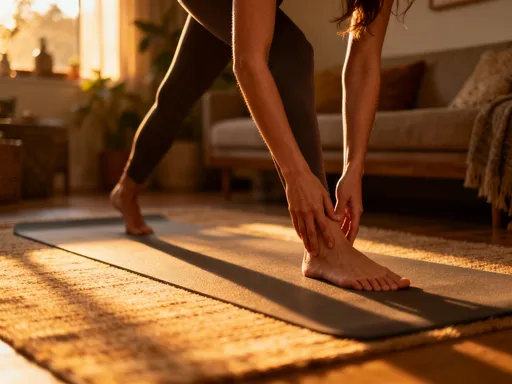
I also began incorporating gentle stretching before bed. I would spend five to ten minutes doing simple movements—reaching my arms overhead, bending forward, rolling my shoulders. These small actions helped release the tension I hadn’t even realized I was carrying. Over time, my body began to associate this evening routine with relaxation. It was no longer a struggle to unwind; it became a natural transition into rest.
What surprised me most was how consistent movement improved my mental state. I felt less anxious, more present, and better able to manage daily stress. I wasn’t chasing sleep anymore—I was creating the conditions for it. I didn’t need perfect conditions or dramatic changes. I just needed to move, every day, in a way that felt sustainable. This shift didn’t happen overnight, but with patience and persistence, it became part of my life—and my sleep transformed as a result.
The Right Moves at the Right Time
Timing matters when it comes to movement and sleep. Not all activity is equally effective at all times of day. The key is aligning your movement with your body’s natural rhythms. Morning light exposure, for example, is one of the most powerful ways to reset your circadian clock. A 20- to 30-minute walk outside in the morning sunlight helps signal to your brain that it’s time to be awake. This early exposure to natural light boosts alertness during the day and, importantly, supports the production of melatonin later that night. Even on cloudy days, outdoor light is significantly brighter than indoor lighting and provides the necessary input to regulate your internal clock.
Midday movement is another opportunity to support sleep. A short walk during a lunch break, a few minutes of stretching at your desk, or even a brief stair climb can help break up long periods of sitting. These small bursts of activity improve circulation, reduce muscle stiffness, and clear mental fog. They also contribute to the overall energy expenditure that makes your body more ready for rest at night. The goal isn’t to exhaust yourself, but to keep your body engaged and balanced throughout the day.
In the evening, the focus should shift from energizing to calming. Vigorous exercise close to bedtime can raise core body temperature and stimulate the nervous system, making it harder to fall asleep. Instead, gentle movement is ideal. Activities like slow walking, restorative yoga, or mindful stretching help transition the body into a state of relaxation. These movements activate the parasympathetic nervous system—the “rest and digest” mode—which slows the heart rate, lowers blood pressure, and prepares the body for sleep.
One effective evening routine is a 10- to 15-minute wind-down walk. This doesn’t have to be fast or far—just a quiet stroll around the neighborhood or in a nearby park. Pair it with deep breathing and a screen-free mindset, and it becomes a powerful ritual. You’re not just moving your body; you’re signaling to your brain that the day is ending. Over time, this consistency trains your body to expect sleep after this routine, making it easier to drift off when you get into bed.
How Much Is Enough? Finding Your Movement Sweet Spot
One of the most common questions is: how much movement do you actually need to improve sleep? The answer isn’t a specific number of minutes or steps—it’s about finding your personal sweet spot. For some, 20 minutes of walking a day makes a difference. For others, 45 minutes feels right. The important thing is consistency, not duration. Moving a little every day is more effective than doing a long workout once a week.
Signs that you’re moving enough include falling asleep more easily, waking up feeling refreshed, and having steady energy throughout the day. On the other hand, if you feel overly tired, sore, or restless after exercise—especially in the evening—you may be doing too much or too close to bedtime. Overexertion can disrupt sleep just as much as inactivity. The goal is to feel invigorated, not drained.
It’s also important to listen to your body. Some days, you might feel up for a longer walk. Other days, a few minutes of stretching may be all you can manage—and that’s okay. Progress isn’t linear, and self-compassion is part of the process. The key is to stay connected to your body’s signals and adjust accordingly. Movement should feel like a gift, not a punishment.
For those with physical limitations or health concerns, even small movements count. Seated stretches, arm circles, or ankle rolls can improve circulation and reduce stiffness. The principle remains the same: regular, gentle motion supports better sleep. Always consult with a healthcare provider before starting a new routine, especially if you have chronic conditions, but know that movement in any form is beneficial.
Beyond the Body: Mental and Emotional Benefits of Daily Motion
The benefits of daily movement extend far beyond the physical. One of the most powerful effects is on mental and emotional well-being—both of which are closely linked to sleep quality. When you move, your brain releases endorphins, serotonin, and other neurotransmitters that help regulate mood and reduce anxiety. These natural chemicals act as a buffer against stress, making it easier to let go of worries at bedtime.
Many people who struggle with sleep also struggle with racing thoughts. The mind replays conversations, anticipates tomorrow’s tasks, or dwells on unresolved issues. Movement provides a natural reset. Think of it like shaking off the static of the day. When you walk, stretch, or move mindfully, you create space between yourself and your thoughts. You’re not trying to solve anything—you’re simply allowing your body to process the day’s experiences.
This mental clarity is essential for restful sleep. A calm mind is more likely to transition smoothly into sleep, just as a calm nervous system is more likely to stay in deep sleep. Over time, regular movement builds resilience. You become less reactive to stress, more grounded in the present, and better equipped to handle life’s challenges. These changes don’t happen overnight, but they accumulate with every step, every stretch, every intentional moment of movement.
For many women in their 30s, 40s, and 50s, this period of life comes with unique pressures—caregiving, career demands, hormonal changes. Movement offers a way to reclaim a sense of control and balance. It’s not about looking a certain way or achieving a fitness goal. It’s about feeling stronger, calmer, and more connected to yourself. And when you feel better mentally and emotionally, sleep follows naturally.
Building a Sustainable Routine That Sticks
The biggest challenge isn’t knowing what to do—it’s making it a lasting habit. The most effective routines are simple, realistic, and integrated into daily life. One strategy is habit-stacking: pairing movement with something you already do every day. For example, stretch while your coffee brews, walk while making a phone call, or do gentle leg lifts while watching the evening news. These small actions add up and make movement feel effortless.
Environmental cues also help. Keep a pair of walking shoes by the door, place a yoga mat in a visible spot, or set a gentle reminder on your phone. These cues reduce the mental effort required to get started. The less decision-making involved, the more likely you are to follow through.
Patience is essential. Change takes time, and setbacks are normal. Some days you’ll forget, some days you’ll be too tired, and that’s okay. What matters is returning to the practice without judgment. Celebrate small wins—a walk in the rain, five minutes of stretching, choosing movement over scrolling. These moments build momentum.
Finally, focus on how movement makes you feel, not how it makes you look. When you notice improved sleep, more energy, or a calmer mind, those become the motivation to keep going. The routine isn’t about perfection; it’s about showing up for yourself, day after day. Over time, the benefits compound, and better sleep becomes a natural outcome of a life in motion.
Move More, Sleep Deeper—Naturally
Better sleep doesn’t require expensive solutions or drastic lifestyle changes. It begins with something simple, accessible, and within everyone’s reach: movement. Whether it’s a morning walk, a midday stretch, or a quiet evening stroll, intentional motion helps reset your body’s rhythm, reduce stress, and prepare your mind for rest. The science is clear, the benefits are real, and the path is gentle.
You don’t need to be an athlete or follow a rigid program. You just need to move in a way that feels good and sustainable. Your body already knows how to rest—it just needs the right conditions to remember how. By incorporating daily movement into your life, you’re not just improving sleep; you’re nurturing your overall well-being. And that’s a promise worth keeping.